Frequently Asked Questions
What Kinds of Coffee Subscriptions Are There?
There are two main kinds of coffee subscription providers: roasters and retailers. Both roasters and multi-roaster retailers sell great coffee. This guide includes both.
Roasters are cafés and small-batch producers who buy raw beans from farmers all over the world and roast them to perfection. By buying from a roaster, you’re directly supporting the people who make your favorite coffees. The downside is you usually won’t have as broad a selection. Roasters usually sell only their own coffee, but that often means special blends and single origins are available from a roaster that you can’t get from a retailer. Your local roaster down the street may also have subscription offers, giving you the chance to buy local without leaving your house—and often catch a discount.
Retailers or multi-roaster subscriptions are coffee subscription providers who buy their beans from many different roasters, then ship bags of coffee to you. A multi-roaster retailer will often have a much broader selection of high-quality coffee available (from multiple brands) to ship to your doorstep—often selected and curated carefully by coffee experts. The downside of some subscriptions is that you’re not buying directly from a roaster, which means the coffee may not be as fresh. (That’s where this guide comes in. We can tell you how fresh they are because we always test each one and note the roast dates on each coffee bag.)
Subscription Beans vs. Locally Roasted Beans
Look: If you live in a big city with great coffee, the best way to try fresh roasts and new beans, and learn about them, is to go to your local roaster. Nearly every midsize city in the United States has at least a couple of excellent purveyors. Look up your local coffee roasters or visit your favorite coffee shop and ask where they get their beans. Buy the beans. Talk to people. It’s fun, if you like talking to people.
Heck, this is also true when you’re traveling. The best coffee you can find is often the cup you drink when you’re on the road, in a new place, tasting something new. Even if you don’t live on the road, it’s fun to explore different shops when you do travel.
But the wonder of the internet is that you’re not limited to only the best of what’s local. Subscriptions allow you to take the temperature of the most interesting roasters from all over the country and world, without going anywhere in particular. Heard about that one roaster in Delaware or North Carolina making crazy coffee with co-ferments and natural fermentation? A roaster in Guatemala highlighting beans from their neighbors? Are you new to the world of premium coffee, and you’d like some help from the curators at Trade Coffee or Podium Coffee Club to learn what you like? Let them inform and surprise you.
This is why you might take a subscription. The world is at your door—even the world you’ve never even visited. I’m also lazy enough to order subscriptions from roasters a 15-minute drive away, but this is between you and your local ecologist.
But also, sometimes it’s homesickness for what used to be local. For me, one of the best in this country is a tiny spot in South Jersey called Royal Mile. They used to be my favorite local coffee shop when I lived in Philly and would drive to Jersey to get the coffee. Now they aren’t local at all, because I moved. But through the magic of the internet and the US Postal Service, I can still get their truly wild, surprising, mad-scientist single-origin bags anytime I want. What a privilege.
How We Test Coffee Subscriptions
To test these subscriptions, we try a variety of beans from each service, both our own picks and any curated options. We brewed each bag in different ways to see which beans were best suited to which brewing method. Over the subscriptions he tested, Scott Gilbertson covered the spectrum of grinds with espresso, moka pot, French press, pour-over, and Turkish or cowboy coffee. Matthew Korfhage wanders through espresso, AeroPress, drip, cold brew, pour-over, and a wealth of somewhat unclassifiable devices.
It’s worth doing the same if you have access to different brewing methods, especially if you opt for a subscription that offers a lot of variety. A roast that makes a great shot of espresso does not necessarily make the best pour-over coffee, and vice versa. Some roasters, like the excellent Equator Coffee, offer one subscription specifically for espresso, one for decaf, and another for light single-origin roasts that lend themselves to drip and pour-over. It can also be rewarding to take notes on your favorites. Some of these services offer a way to do this on the site, which is handy, though a paper notebook works well enough. If you’d like some more pointers on brewing, be sure to read our guide to brewing better coffee at home.
Are Coffee Subscriptions Worth It?
A coffee subscription service often offers discounts on shipping or the base cost of each bag, compared to buying single bags for delivery. But usually, subscriptions will be premium beans, so it won’t be as cheap as the less-fresh, often pre-ground coffee from your grocery store.
But if you’re the sort who likes to try the best freshly roasted single-origin Ethiopian or Guatemalan beans from roasters all over the country? This is where coffee subscriptions shine. You’re also often getting the best specialty bags a roaster has to offer, or a curated selection from a certified Q Grader—meaning you’re a lot more likely to find new roasts and origins you wouldn’t have come across on your own.
I have no dearth of local roasters that I love to support. Portland, Oregon, where I live, is perhaps the densest home to craft coffee in the country: Heart, Coava, Stumptown, Roseline, Sterling; multiple national coffee publications; and a craft coffee festival. I’ve been writing about coffee in Portland and elsewhere for more than a decade.
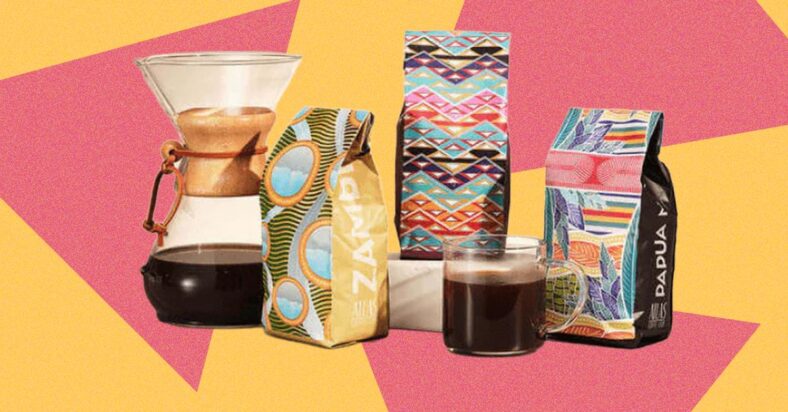
But a coffee subscription gives me access to beans from all over the country and world. It’s a mix of ease and adventure, and a chance to be a barista at my own home multi-roaster café. I enjoy that I can get fresh-roasted beans from a coffee farm in Guatemala that roasts their own impossibly fresh beans onsite, alongside world-famous beans from other farmers right down the road—or taking a world tour each month with beans from my favorite globe-hopping roaster, Atlas Coffee Club.
But for others, a coffee subscription is just a way to get a steady drip of their favorite bag from their favorite roaster, guaranteed to arrive every week or every two weeks. Simple convenience is its own form of worth it.
How Does WIRED Select Coffee Subscriptions to Be Reviewed?
There’s a lot of good coffee out there, and I am always trying something new—drip, espresso, cold brew. I’ve been writing about coffee for 15 years on both coasts, and I’m always on the lookout for new and exciting growers, roasters, and beans. I keep abreast of coffee industry publications like Sprudge, haunt subreddits, consult friends and industry contacts, and take tips.
Coffee can be subjective, of course, and everyone has their preferences. I include my personal favorite roasters among this list, rotate in discoveries I think readers might be interested in, and also solicit favorites from other WIRED (and very wired) reviewers with different palates. But when deciding what subscriptions to include in our curated list, I look into what it offers that others don’t. I’m often looking for ones that best serve particular types of drinkers—a new service, a new delivery method, a clever way to cater to what you (whoever you may be) really want at your doorstep each week.
Often, a unique or uniquely useful or just kinda cool subscription model or roaster will be the first I’m in line to test. Other times, I get sent a sample bag of beans, and it sends me over the moon. Always feel free to send a note in the comments about a particularly terrific roaster or subscription.
How Have Tariffs Affected Coffee Prices?
Tariffs matter. So do fuel prices. Pretty much all coffee roasted and sold in the United States is imported. If it costs more to bring into the US, it will eventually cost more to buy.
This is one of many factors that affected coffee prices throughout last year, including extreme weather in Brazil and Vietnam, increasing demand, and relatively flat supply. All of these factors, including tariffs, have contributed to coffee prices rising dramatically in 2025. While coffee prices stabilized a bit after court rulings striking down tariffs in February, tariffs are now back in the conversation. Almost immediately, coffee commodity prices seem to have responded in kind by increasing yet again to levels not seen since January.
Subscriptions can absorb high coffee commodity prices in part by selecting which beans get sent. In many cases, subscriptions are able to charge less than the individual bags you see at the supermarket because of guaranteed sales (the same way subscribing to a magazine costs less than buying at the newsstand).
But coffee subscriptions aren’t immune to price hikes, even if they’re better suited to weathering the vicissitudes of chance and the market. One service decreased the size of its bags from 12 ounces to 10 ounces last year, while others raised prices only on select bags. One way or another, I tend to see price increases on at least one or two coffee subscriptions every time I check. The volatility of US trade relationships is a key factor.
More Coffee Subscriptions WIRED Recommends
Photograph: Matthew Korfhage
There are so many coffee subscriptions out there, and honestly, a lot of them offer very good coffee—some are even amazing. This list would need to be at least three times as long to capture every one of them. I have way more subscriptions I’ve loved than I have space to talk about them, so here I’ve gathered some past picks that we here at WIRED like. Have a favorite we haven’t tried? Drop a recommendation in the comments.
Partners Coffee ($20–$23 per bag): Partners Coffee is a Brooklyn-based small-batch roaster that offers subscriptions by blend as well as a single-origin option that swaps out every two weeks. Partners roasts and ships all orders within two days, so it arrives at your door as fresh as possible. The whole bean Manhattan roast and Ghost Town decaf are great for those who like light to medium roasts. Even better, you can manage your subscription via text message.
Gento Coffee ($48 for two bags): Gento is part of a new and welcome trend: growers who roast their own coffee and ship directly from the source. In Guatemala, Gento takes this a step further, roasting beans from other local growers that rank among the most esteemed bean farms in the world. But in this case, the beans might only travel down the road to be roasted. The single-origin subscription is really the play here. Alongside roasts from Gento’s own beans from the Prentice family farm, you might find roasts from highly regarded Guatemalan growers like Genaro Juárez and Petrona Perez. If those names don’t mean anything to you yet, they will after you try them.
Photograph: Matthew Korfhage
Camber Coffee ($24+ per 12-ounce bag): Bellingham, Washington, roaster Camber Coffee slipped under the radar for me for maybe too long, but amid its 10-year anniversary celebrations, I finally remedied this. Camber makes distinguished, aromatic, balanced single-origin coffees and a truly chocolaty espresso blend called Big Joy that lives up to its name: it’s like a fudge brownie in espresso form. Subscriptions net you 10 percent off list price on each bag.
Sunday Coffee Project ($27 per box, $45 for two): Portland’s Sunday Coffee Project produces some of the most distinctive, funky, fruity, and interesting coffee I know in this country. This could be a yeast-fermented Thai light roast that tastes a whole lot like Sangria, or an Ethiopian so floral you’ll swear you got invited to a spring wedding. Plus, the coffee comes in a little art box, designed to look like a coffee-themed children’s cereal complete with games on the back and a little cartoon character on the front: maybe a sheep lifting weights or a snake playing tennis. It’s a small roaster, and they’ve dialed back their offerings from weekly new roasts to monthly. But if you like light and adventurous coffee, a box from Sunday Coffee Project may be your favorite thing you get in the mail that month.
Courtesy of Trucup
Trücup ($17 per 12-ounce bag): Are you sensitive to the acids in coffee, but you love coffee? Trücup makes unique, low-acid coffee through what it calls a natural steam process, which makes it a great option for caffeine lovers with sensitive stomachs or those who suffer from gastroesophageal reflux disease or heartburn. (Disclaimer: If you’ve been diagnosed with GERD, talk to your physician before you try any coffee.) Either way, even those with well-fortified stomachs may want to take note. WIRED Reviewer Scott Gilbertson loves this coffee for a more mellow cup in the afternoon or evening.
Grounds and Hounds ($19 per 12-ounce bag): We’ve recommended this as a top pick in the past, for its mix of feel-good donations to animal shelters and excellent roasts. Grounds and Hounds offers small-batch roasted blends and single-origin beans, with 20 percent of its profits going to benefit animal shelters. The brand has some of Gilbertson’s personal favorite coffees, especially the dark roasts. (Try the Snow Day Winter Roast when it’s available.) Subscriptions are mostly recurring, individual-bag subscriptions.
Wonderstate Coffee ($19–$21 per 10.5-ounce bag): Wisconsin’s Wonderstate, previously named Kickapoo, is quite possibly the nation’s first fully solar-powered roaster. Besides being an excellent roaster, it has a long and vocal commitment to paying farmers higher wages. The most recent batch of single origins I tried had a tendency toward light, subtle, mild-mannered, and lightly tannic brews—a cosmopolitan palate that’s also Midwestern-polite.
Photograph: Scott Gilbertson
French Truck Coffee ($17–$22 per bag): French Truck Coffee got its start in New Orleans and now has a dozen of its signature yellow storefronts scattered around town. Gilbertson is a fan of the Big River blend, which has a deep, rich, and very robust flavor profile that’s especially well-suited to pour-over brewing. In fact, French Truck has some of the most detailed brewing instructions around.
Birds & Beans Coffee ($18+ per bag): Like birds? Clear-cut coffee farms can be hard on them. But Birds & Beans is a coffee roaster devoted to making sure its coffee is grown in Smithsonian-certified, bird-friendly farms with tree cover that helps birds thrive. The dark roasts in particular are delicious and genuinely dark: Scarlet Tanager is a favorite of Gilbertson.
Stone Creek Coffee ($36 for two bags): Milwaukee-based Stone Creek Coffee delivers its fresh, flavorful coffee in big 1-pound bags, with a variety of blends and single-origin options available. The Cream City blend in particular is a delightful medium roast with warmer flavor notes like chocolate and brown sugar, rounded out by fruity flavors—giving the coffee an almost cacao-nib flavor. Add a little milk, and it’s almost like drinking hot cocoa. A monthly subscription delivers two bags per shipment.
Grit Coffee ($17+ per bag): From its roastery in Charlottesville, Virginia, Grit Coffee creates excellent blends, including a roasty, chocolaty Side Hustle blend with a subtle high note of acidity to balance it out. But what really differentiates Grit from other roasters is, well, grit: The roaster makes long-term, often 10-year commitments to its coffee farmers.
Photograph: Jaina Grey; Getty Images
Lady Falcon ($49 for two bags): Lady Falcon Coffee Club may draw you in with the art nouveau-style bags. But the luscious, velvety coffee within is what will keep you coming back. Each coffee blend is thoughtfully mixed to heighten the flavors present in the contributing coffees, and the flavor notes are spot-on.
Angels’ Cup ($28 per bag, plus shipping): Angels’ Cup is more like a distance-learning coffee school than a box subscription service, and the Black Box subscription is like a blind coffee tasting from afar. You will learn what you actually like and dislike about coffee, along with some education through the app, roaster’s notes, and notes from fellow tasters.
Mistobox ($20+ per bag): With more than 500 different coffees from 50-plus roasters, Mistobox makes a good gift subscription, especially if you don’t know what kind of coffee to get someone. Somewhere in those 500 choices, your coffee fanatic should find something that will make them happy. One of the most compelling and surprising offerings: Misto lets you choose the most you’re willing to pay per shipment, and your offerings will change accordingly. Delivery frequency can also be customized down to the day. But as it appears they’re in the process of transferring to a new back end, we’ll give them a moment before assessing the new website and ordering system.
Power up with unlimited access to WIRED. Get best-in-class reporting that’s too important to ignore. Includes unlimited digital access and exclusive subscriber-only content. Subscribe Today.